On July 7th, 2026, Dr. Adnan Siddiqui discussed the newly HDE FDA-approved River Stent™. The River Stent™ was given HDA FDA-approval this year for the treatment of severe, refractory idiopathicThe term idiopathic is used when there is no detectable reason for something. Click the term to read more intracranial hypertension (IIH).
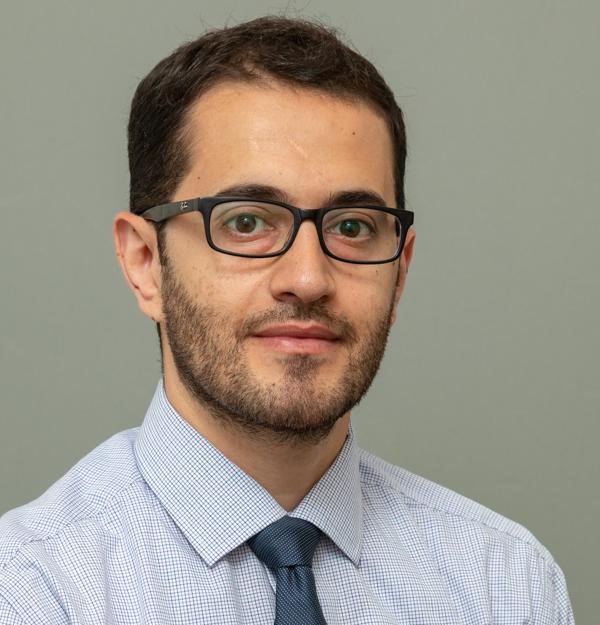
Our guest speaker was Dr. Adnan Siddiqui. He is a neurosurgeonMedical doctor who diagnoses and treats surgical issues related to the brain, spine, and nervous system. Click the term to read more and the Chief Executive Officer and Chief Medical Officer for the Jacob’s Institute and is a Distinguished Professor and Vice Chairman in the Department of Neurosurgery at the State University of New York at Buffalo’s Jacobs School of Medicine and Biomedical Sciences. He holds a notable list of accolades and achievements, and has over 700 peer-reviewed publications. The moderator for this talk is Dr. Brian Snelling, who is a Neurosurgeon at Baptist Health Marcus Neuroscience Institute in Boca Raton, Florida. Dr. Snelling is a frequent contributor to IIH-Hub.com and manages patients with IIH in his practice.
A few key points of this 1-hour webinar are:
- The venous sinuses are located in the dural leaflets, giving these vessels a triangular shape. The River Stent™ was designed to best serve these anatomical variations.
- Modern technology has assisted in the diagnosis IIH (previously described as pseudotumor cerebri), with tools such as diagnostic venography with venous manometryA minimally invasive involving the introduction of instruments or other objects into the body diagnostic procedure performed by a neurosurgeon or interventional neuroradiologist where a catheter… Click the term to read more.
- Though there are treatments and interventions that can improve IIH symptoms, in an emergent or refractory setting, immediate intervention such as venous sinus stentingA minimally invasive surgery during which a metallic mesh in the shape of a tube (stent) is placed in the sinus. Click the term to read more can prevent permanent disability such as loss of vision.
- Prior to the development of The River Stent™, carotid and peripheral stents were used in patients with venous sinus stenosis. A meta-analysis confirmed that the placement of a venous sinus stent in those with venous sinus stenosis and severe, refractory IIH revealed monumental results: a 93.7% improvement of papilledemaSwelling of the optic nerve that carries visual signals from the eye to the brain. Click the term to read more, 79.6% improvement of headaches, and 90.3% resolve of pulsatile tinnitus.
- As presented at the 2026 SNIS annual meeting, the long term (3-5 year) data of The River Stent™ include “improvements in headache relief, with sustained improvement in headache burden, no rebound or worsening headaches, and 90% of patients achieving clinically meaningful improvement by year five, as well as papilloedema resolution, as papilloedema resolved in 95.7% of participants by year two, and in 100% by years four and five. And, regarding quality of life, significant improvements were sustained through five years, with no evidence of long-term deterioration.”(1)
If you missed this webinar or would like to watch this informational content again, you can visit our YouTube Channel or click here.
If you would like to receive bi-monthly articles on topics related to IIH or notifications on future webinars, you can subscribe here.