Idiopathic Intracranial Hypertension (IIH) is an underdiagnosed and undertreated disorder of elevated pressure within the brain without an identifiable cause. The IIH Practitioner Series is designed for neurologists, neurosurgeons, neuro-interventionalists, endovascular surgeons, interventionist radiologists, neuroradiologists, ophthalmologists, optometrists, and ENT specialists. Patients and caregivers are always welcome to attend.
Up Next
January 14, 2026
4:00 pm Eastern
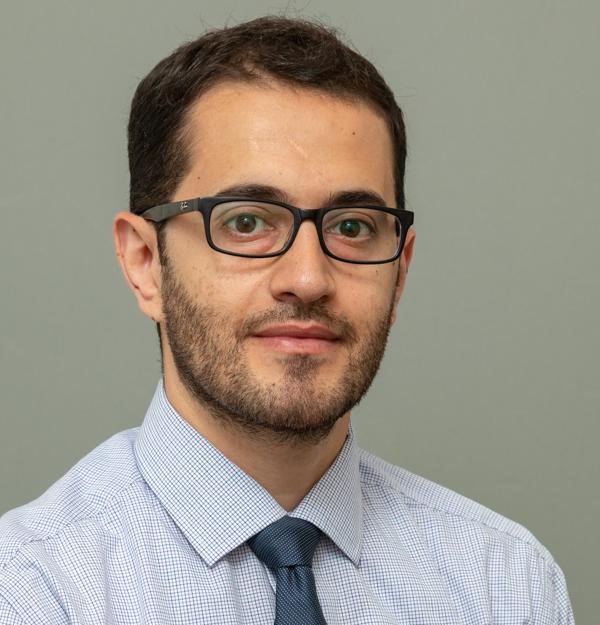
Join us for an educational webinar focused on the connection between pulsatile tinnitus and venous diverticulum in individuals with Idiopathic Intracranial Hypertension (IIH). Dr. Mohamad K. Abdalkader, Interventional Neuroradiologist, will discuss how venous abnormalities can contribute to symptoms, how these conditions are diagnosed, and current treatment approaches.
Mohamad K. Abdalkader, MD, is a board-certified diagnostic and interventional neuroradiologist at Boston Medical Center (BMC) and an associate professor of radiology at Boston University Chobanian & Avedisian School of Medicine. He has over 250 publications and has research interests in acute stroke management, cerebral aneurysms, intracranial vascular malformations, pulsatile tinnitus, and traumatic vascular injuries. At BMC, he is responsible for evaluating patients and their imaging and performing neuroendovascular procedures including acute stroke intervention, intracranial aneurysm coiling, intracranial stenting, carotid stenting, endovascular treatment of arteriovenous malformations and arteriovenous fistula, vertebroplasty/kyphoplasty, and endovascular treatment of pulsatile tinnitus.
At BMC, he is responsible for evaluating patients and their imaging and performing neuroendovascular procedures including acute stroke intervention, intracranial aneurysm coiling, intracranial stenting, carotid stenting, endovascular treatment of arteriovenous malformations and arteriovenous fistula, vertebroplasty/kyphoplasty, and endovascular treatment of pulsatile tinnitus.At BMC, he is responsible for evaluating patients and their imaging and performing neuroendovascular procedures including acute stroke intervention, intracranial aneurysm coiling, intracranial stenting, carotid stenting, endovascular treatment of arteriovenous malformations and arteriovenous fistula, vertebroplasty/kyphoplasty, and endovascular treatment of pulsatile tinnitus.At BMC, he is responsible for evaluating patients and their imaging and performing neuroendovascular procedures including acute stroke intervention, intracranial aneurysm coiling, intracranial stenting, carotid stenting, endovascular treatment of arteriovenous malformations and arteriovenous fistula, vertebroplasty/kyphoplasty, and endovascular treatment of pulsatile tinnitus.At BMC, he is responsible for evaluating patients and their imaging and performing neuroendovascular procedures including acute stroke intervention, intracranial aneurysm coiling, intracranial stenting, carotid stenting, endovascular treatment of arteriovenous malformations and arteriovenous fistula, vertebroplasty/kyphoplasty, and endovascular treatment of pulsatile tinnitus.At BMC, he is responsible for evaluating patients and their imaging and performing neuroendovascular procedures including acute stroke intervention, intracranial aneurysm coiling, intracranial stenting, carotid stenting, endovascular treatment of arteriovenous malformations and arteriovenous fistula, vertebroplasty/kyphoplasty, and endovascular treatment of pulsatile tinnitus.At BMC, he is responsible for evaluating patients and their imaging and performing neuroendovascular procedures including acute stroke intervention, intracranial aneurysm coiling, intracranial stenting, carotid stenting, endovascular treatment of arteriovenous malformations and arteriovenous fistula, vertebroplasty/kyphoplasty, and endovascular treatment of pulsatile tinnitus.for evaluating patients and their imaging and performing neuroendovascular procedures including acute stroke intervention, intracranial aneurysm coiling, intracranial stenting, carotid stenting, endovascular treatment of arteriovenous malformations and arteriovenous fistula, vertebroplasty/kyphoplasty, and endovascular treatment of pulsatile tinnitus.for evaluating patients and their imaging and performing neuroendovascular procedures including acute stroke intervention, intracranial aneurysm coiling, intracranial stenting, carotid stenting, endovascular treatment of arteriovenous malformations and arteriovenous fistula, vertebroplasty/kyphoplasty, and endovascular treatment of pulsatile tinnitus.