Want to learn more? Check out our

The Connection Between Pulsatile Tinnitus and Venous Diverticulum

Dr. Mohamad K. Abdalkader discusses the connection between pulsatile tinnitus and venous diverticulum in individuals with IIH

On January 14th, 2026 Dr. Mohamad K. AbdalKader presented Venous Diverticulum and its role in Pulsatile Tinnitus

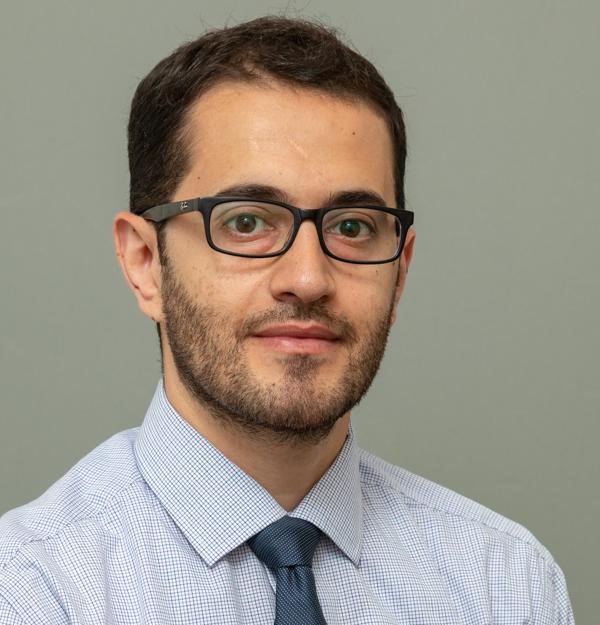
Dr. Mohamad K. Abdalkader, MD, is a board-certified diagnostic and interventional neuroradiologist at Boston Medical Center (BMC) and an associate professor of radiology at Boston University Chobanian & Avedisian School of Medicine. He has over 250 publications with research interests in acute stroke, cerebral aneurysms, intracranial vascular malformations, pulsatile tinnitus, and traumatic vascular injuries. At BMC, he performs neuroendovascular procedures including acute stroke intervention, intracranial aneurysm coiling, intracranial stenting, carotid stenting, endovascular treatment of arteriovenous malformations and arteriovenous fistula, vertebroplasty & kyphoplasty, and endovascular treatment of pulsatile tinnitus.

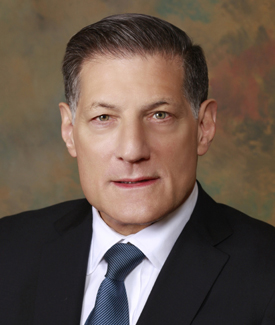
The moderator for this webinar is Dr. Pierre Gobin, a neurointerventionalist at Weill Cornell Medicine in New York. He has more than 30 years of experience in treating cerebrovascular conditions. He pioneered research on causes of IIH such as venous sinus stenosis.
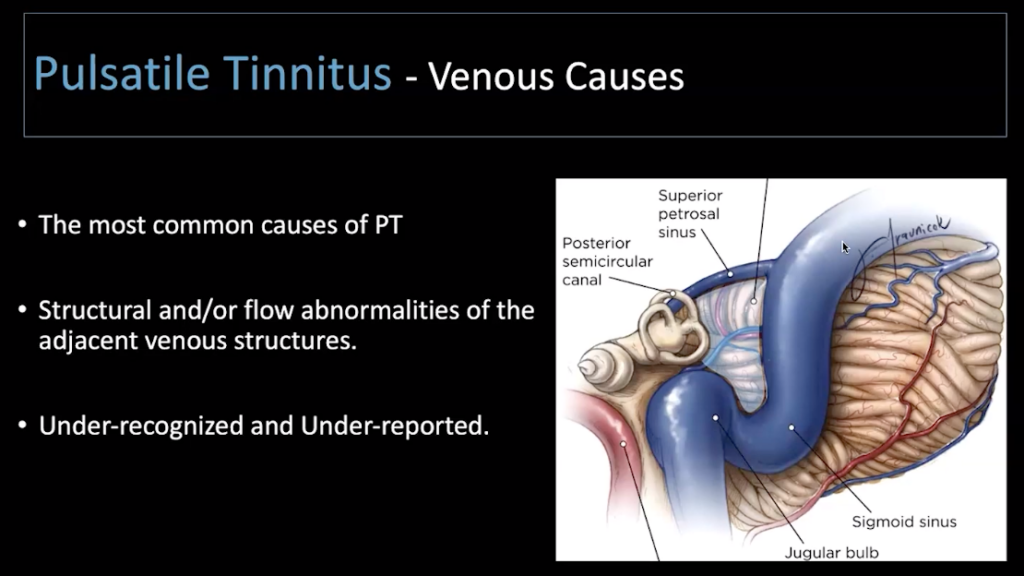
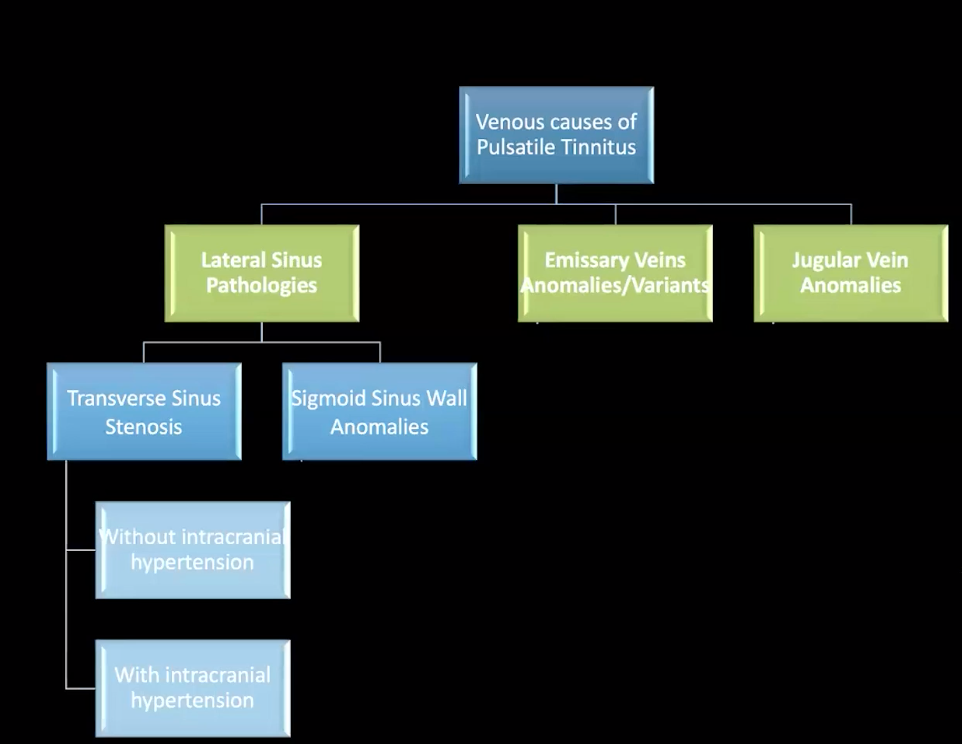
In this webinar, Dr. Mohamad AbdalKader defined what venous diverticulum is and how it relates to pulsatile tinnitus, a common symptom of IIH.


In case you missed his lecture, here are some key points:

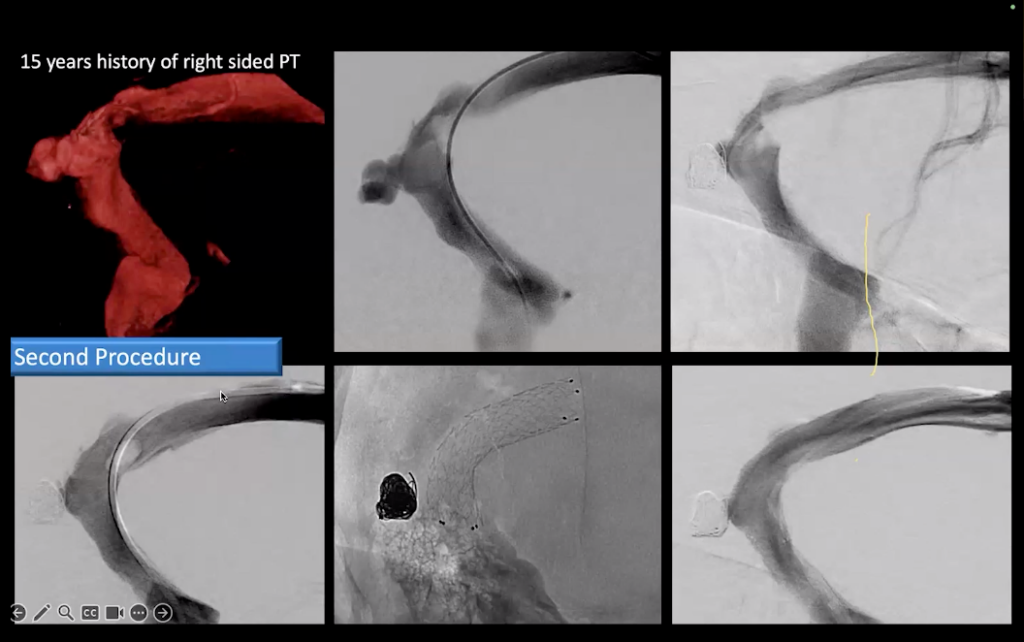
  • Venous sinus diverticulum (VSD) is the outpouching of the lateral or sigmoid sinus wall, which is located next to the mastoid bone. This is important because this finding can be found in those with pulsatile tinnitus, venous sinus stenosis, and idiopathic intracranial hypertension (IIH).
  • Venous causes are the number one cause of pulsatile tinnitus and are often under-recognized and under-reported. Venous diverticulum falls under this category as a lateral sinus pathology.


  • Anatomically, the sigmoid plate separates the middle ear from the sigmoid sinus. Thinning or missing of the plate or vascular flow issues near this area can cause pulsatile tinnitus.
  • There is speculation that VSD is congenital. During embryonic development of the petrosquamous vein, there may be a remnant, presenting as a venous diverticulum.
  • In patients who have venous sinus stenosis, a post-stenotic turbulence high velocity wall causes shear stress on the sigmoid plate, propagating a VSD.
  • CT scan of the brain with contrast, MRI with contrast and MRV can identify a venous sinus diverticulum.
  • AbdalKadar presented a patient who had imaging over a decade earlier for a different reason, confirming a normal sigmoid plate. She presented with pulsatile tinnitus 13 years later with an MRI of brain showing a missing sigmoid plate, indicative of a venous diverticulum, evidence that her pathology was an acquired lesion.


  • Management of venous sinus diverticulum can be treated with endovascular embolization (coiling) or stenting.
  • Abdalkader also has experience in successful treatment of venous sinus diverticulum with diamox and with some no intervention indicated.
  • In the patients Dr. AbdalKadar and his team treated, he performed follow up imaging and found bone regrowth of the sigmoid plate. In his unpublished report, this occurred in 87% of patients that received intervention for a VSD.


If you missed this webinar, would like to rewatch it, or learn more, you can click here.

To see Dr. Mohamad AbdalKadar as a patient, you can visit our provider page or practice information.

If you would like to receive email notifications for future webinars or to receive a bi-weekly newsletter, click here to subscribe.


Related articles

Stay Informed

Stay up-to-date on the latest research and resources on this Hub by subscribing to our monthly newsletter

Like what you are seeing?

Join our next webinar.

Thank you! You’re registration is complete for:

Coming in March 2026

Our next webinar will be announced in February.