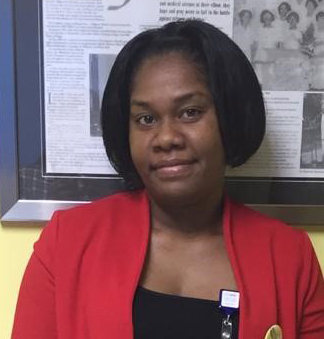
For years, I was in pain while every test told me I was “fine.” My name is Alicia Robinson. I am 32 years old and I live in Jamaica. Long before I was diagnosed with IdiopathicThe term idiopathic is used when there is no detectable reason for something. Click the term to read more Intracranial Hypertension (IIH), I lived with severe headaches, chronic sinus problems, nausea, and ongoing discomfort that affected my daily life. I sought medical care repeatedly and was treated for migraines and sinus-related conditions, yet no clear cause was identified. I endured scan after scan and repeated blood tests, all of which came back normal, and I learned the hard way that normal results do not always mean nothing is wrong.
By June 2021, my condition worsened significantly. My headaches became unbearable, and my vision began to noticeably deteriorate. An MRI of my brain revealed findings involving my pituitary glandAlso known as the “master gland” it is the area of the brain that manages and makes a large portion of your hormones. Click the term to read more and optic nerves that were concerning for Idiopathic Intracranial Hypertension. After further evaluation by a neurologistMedical doctor who diagnoses and treats nonsurgical issues related to the brain and nervous system. Click the term to read more and an ophthalmologistA specialist in the branch of medicine concerned with the study and treatment of disorders and diseases of the eye. Click the term to read more, I was officially diagnosed with IIH and papilledemaSwelling of the optic nerve that carries visual signals from the eye to the brain. Click the term to read more. By the time I received this diagnosis, I was already very close to losing my vision, a reality that changed my life instantly.
I was started on medications, including AcetazolamideMedication used to treat glaucoma, epilepsy, altitude sickness, periodic paralysis, idiopathic intracranial hypertension, urine alkalinization, and heart failure. Click the term to read more (Diamox), in an effort to reduce the pressure in my head. Despite ongoing treatment, my symptoms continued to worsen. I later learned that I had lost much of my peripheral vision and was primarily seeing centrally. Lumbar punctures became a regular part of my medical care, both to monitor and confirm elevated intracranial pressure. Although they sometimes provided temporary relief, the pressure consistently returned. My optic nerves remained affected, the swelling did not fully resolve, and my vision issues persisted. Living with constant visual disturbances, pressure behind the eyes, and the fear of further damage became part of my everyday reality.
When medication was no longer sufficient, surgery became the last option to try to preserve my remaining vision. A second lumbar punctureA procedure where a needle is placed in the lower part of the spine (the lumbar spine) to access cerebrospinal fluid. Click the term to read more confirmed extremely high pressure, and I was told honestly that surgery carried a 50/50 chance. My vision might not improve, but the goal was to prevent further deterioration. Just three days after that lumbar puncture, I tested positive for COVID-19, which worsened my symptoms and delayed my treatment further.
My surgery was postponed several times due to illness and lack of funds. Eventually, the only available date became October 12, 2021, my birthday. Although it was a difficult decision, I chose to proceed with surgery because preserving my vision was more important than anything else. I leaned heavily on prayer during that time. The surgery was initially successful, and I returned to work in January 2022 with restrictions, believing I was finally beginning to regain control of my life.
That hope was short-lived. By February and March 2022, my symptoms returned. I experienced severe headaches, nausea, vomiting, abdominal pain, tingling in my hands and feet, neck and shoulder pain, ringing in my ears, and a burning sensation along the shuntA hollow tube that can be surgically placed in the sinus to help drain cerebrospinal fluid. Click the term to read more pathway. I was back in the emergency rooms frequently and attending regular follow-up appointments. It was determined that my shunt was over-draining. Multiple adjustments were made, but instead of improving, my symptoms worsened. In June 2022, I underwent shunt revision surgery to ligate the shunt and assess whether this would improve my symptoms. Unfortunately, this did not bring the relief I had hoped for.
This period was physically, emotionally, and financially devastating. I had exhausted my resources in the fight for my health, yet continued to suffer. At times, I felt dismissed and reduced to being told to lose weight, even though I was not overweight at the time of diagnosis and only gained weight after my IIH journey began. I was repeatedly encouraged to try new medications or undergo additional procedures, while my quality of life continued to decline.
Seeking further answers, I consulted with an interventional neuroradiologist in New York who, after reviewing my scans, identified venous sinus stenosis and recommended further evaluation. For the first time in a long while, I felt genuine hope. I travelled overseas in August 2022 believing this might be a turning point in my journey. However, after undergoing a catheter venogram, my pressure gradient was found to be too low to safely proceed with stenting. The procedure was not performed because the risks outweighed the potential benefits. The emotional and financial impact of that moment was profound.
When I returned to Jamaica, my symptoms did not improve and, in many ways, worsened. Since then, my care has remained ongoing and intensive. I continue under the care of neurology, neurosurgery, and ophthalmology, with regular monitoring through MRIs, visual field testing, OCT scans, and repeated lumbar punctures. My shunt has been reviewed and adjusted multiple times, and medication management remains ongoing. I changed neurologists in search of clearer answers and underwent additional investigations, including testing for Multiple Sclerosis and Neuromyelitis Optica, both of which were negative. Over time, I have also been diagnosed with chronic migraine, optic neuritis, venous sinus stenosis, fibromyalgia, and ongoing Idiopathic Intracranial Hypertension.
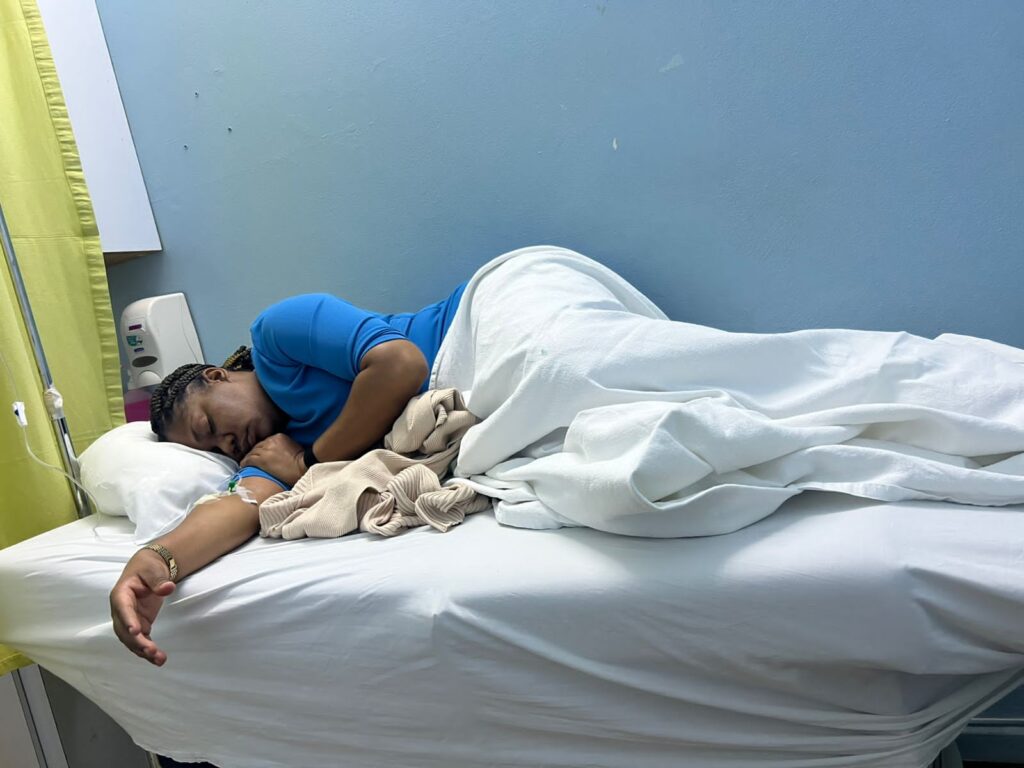
Nearly five years after my diagnosis, I am still symptomatic. I continue to live with chronic pain, persistent IIH symptoms, and the ongoing fear of further vision loss. Living with an invisible illness has reshaped every part of my life, including my work, my independence, my relationships, and my future. There are days that feel heavier than others, days when the fight feels relentless, and days when the uncertainty feels overwhelming.
Yet even in the midst of this journey, I remain standing. My faith has carried me through moments I never thought I would survive. God has sustained me when strength ran out, when answers were scarce, and when hope felt distant. Through it all, I have discovered resilience I never asked for, courage I never knew I had, and a voice I now use to advocateTo self-advocate in your health is to communicate your needs Click the term to read more for others walking similar paths.
This journey has been painful, exhausting, and uncertain, and I am still seeking lasting relief. But I refuse to be defined solely by my diagnosis. I am more than my symptoms. More than my setbacks. More than my medical records.
I am still here. Still fighting. Still believing. Still becoming.
And my story is not over.
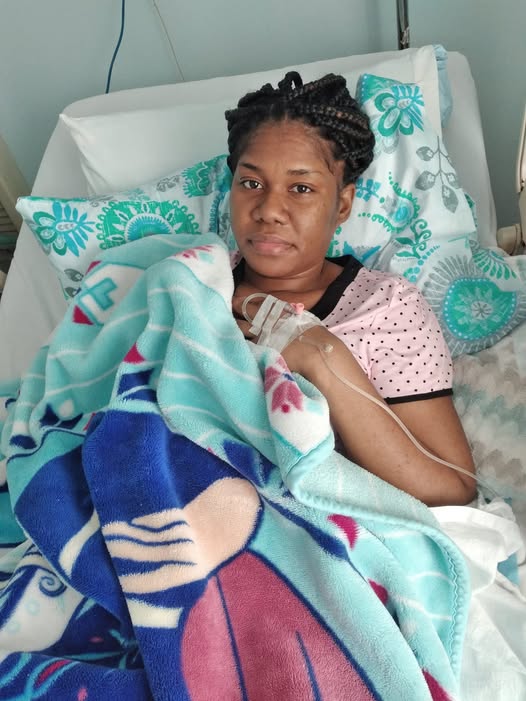
Learn more about Alicia’s IIH journey here.